


Long before vineyards patterned hillsides in France, before Roman merchants carried amphorae across the Mediterranean, before poets in marble halls raised silver cups to celebrate harvest, longing, and love, humanity had already discovered one of its most enduring companions: wine.
Wine was born not in luxury, but in intimacy, with soil, season, fruit, and time. It began where wild grapevines climbed sunlit slopes and clustered in fertile valleys, where early agricultural communities first learned that crushed grapes, left to rest in clay vessels, transformed into something mysterious: a drink that could preserve the sweetness of fruit, alter the senses, inspire ritual, and gather people around a common vessel. From that transformation emerged not simply an alcoholic drink, but an idea—one that would shape religion, commerce, medicine, literature, and the ceremonial life of civilizations for thousands of years.
Unlike bread, wine requires patience. Unlike water, it carries memory. Every vintage is an expression of climate, geography, and human craft, a liquid archive of the earth itself. This intimacy between nature and culture made wine unlike any other agricultural product. It became sacred offering and royal luxury, medicine and symbol, commodity and poetry. In temples and palaces, at banquets and burial rites, in vineyards tended by peasants and gardens designed for kings, wine accompanied humanity’s most intimate celebrations and most solemn moments.
Yet the story of wine has often been told too narrowly, centered mainly on Greece, Rome, and later Europe. Important as those chapters are, the roots of wine run deeper and farther east. They begin in the ancient landscapes of the Caucasus, spread into Mesopotamia’s first urban civilizations, flourish on the Iranian plateau, and become woven into the cultural fabric of Egypt and the wider ancient world. It is there, in clay jars buried beneath prehistoric homes, in palace records, in sacred rituals, and in legends passed from generation to generation, that wine first enters human history.
To understand wine is to understand something essential about civilization itself: humanity’s desire not merely to survive, but to cultivate beauty, ceremony, and meaning.
The First Vineyards of the Caucasus
The earliest known chapter in the story of wine begins in the South Caucasus, in the lands of modern-day Georgia, where archaeology has revealed some of the strongest evidence for intentional winemaking anywhere in the world. Around 6000 to 5800 BCE, Neolithic communities in this region were already fermenting grapes in large clay vessels buried underground—an ancient method that still survives today in Georgian qvevri winemaking.
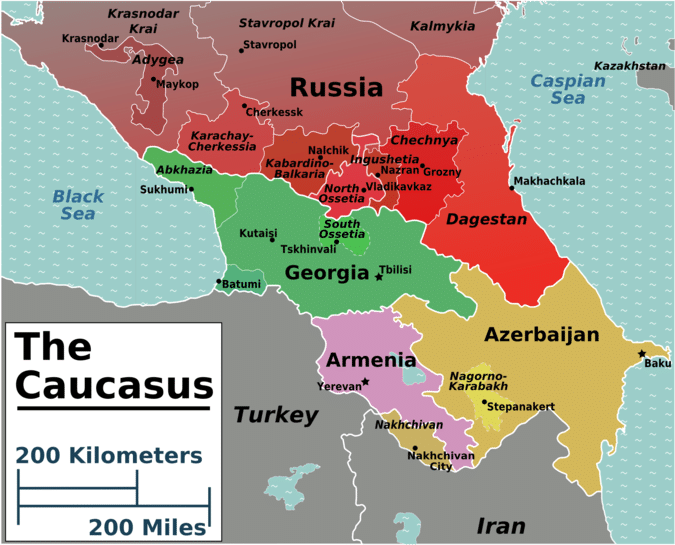
Chemical analysis of pottery fragments discovered at sites such as Gadachrili Gora and Shulaveris Gora has identified residues consistent with grape wine, including tartaric acid, one of wine’s chemical signatures. These discoveries are remarkable not simply because of their age, but because they suggest intentional cultivation and storage rather than accidental fermentation. Early communities were not merely gathering wild grapes; they were beginning to shape an agricultural and cultural practice that would endure for millennia.
The Caucasus offered ideal conditions for this development. Wild grapevines grew abundantly in the region, nourished by diverse microclimates, mineral-rich soils, and long warm seasons tempered by mountain air. Here, Vitis vinifera, the species that would become the ancestor of most modern wine grapes, ound fertile ground not only in nature, but in human imagination.
At first, wine was likely simple: rustic, cloudy, fermented by wild yeasts, perhaps sweeter or more volatile than modern palates expect. Yet even in its earliest form, it carried something transformative. Fermentation itself must have appeared miraculous—fruit becoming something stronger, richer, and strangely alive. For early communities, this process likely held spiritual significance long before science could explain it. The vessel became not merely a container, but a place of transformation, where earth, fruit, time, and invisible forces worked together.
From the Caucasus, the cultivation of vines and the knowledge of fermentation gradually spread southward and westward, moving along ancient trade and migration routes into Anatolia, the Levant, and Mesopotamia. Wine was becoming more than a local craft. It was becoming part of civilization’s expanding inheritance.
Mesopotamia and the First Urban Wine Culture
If the Caucasus gave wine its birth, Mesopotamia gave it social meaning on a larger scale.
In the fertile lands between the Tigris and Euphrates, humanity built its first great cities, Uruk, Ur, Lagash, Babylon, places where writing, law, monumental architecture, and organized religion emerged. Here, agriculture became administration, ritual became institution, and luxury became a language of power. Within this world, wine found a new place.

Beer remained the everyday drink of Mesopotamia, consumed broadly across classes and deeply embedded in daily life. Wine, by contrast, was rarer, more expensive, and often associated with prestige. Because southern Mesopotamia’s hot alluvial plains were less suited for large-scale viticulture than upland regions, wine was frequently imported from the Zagros foothills, northern Mesopotamia, and the Levant. This made it valuable—not simply as drink, but as symbol.
Administrative tablets from ancient Mesopotamian states record wine among goods allocated to temples, palaces, and elite households. It appeared in offerings, ceremonial feasts, and courtly life, marking status and abundance. In societies where hierarchy shaped every aspect of existence, wine became a visible expression of refinement and privilege.
Yet wine’s significance was not merely economic. Mesopotamian civilization lived close to the sacred. The gods were believed to inhabit every layer of reality—from harvest and flood to kingship and fate. Food and drink were central to ritual exchange between humanity and the divine, and wine likely formed part of that ceremonial world, offered in temples and consumed during festivals that bound community, religion, and governance together.
Trade in wine also reveals Mesopotamia’s remarkable interconnectedness. Amphorae, jars, and agricultural records point toward networks that linked mountain vineyards with river cities. Wine traveled alongside metals, timber, spices, and textiles, becoming one thread in a growing tapestry of exchange that connected distant peoples long before empire unified them politically.
In Mesopotamia, wine entered the realm of administration, ritual, and prestige. It became woven into urban civilization itself.
Persia and the Sacred Cup
To speak of wine in ancient Iran is to enter one of the deepest and oldest vineyard traditions on earth.
Long before the rise of imperial Persia, communities in the Zagros Mountains were already cultivating grapes and producing fermented wine. At Hajji Firuz Tepe in northwestern Iran, archaeologists uncovered a Neolithic jar dating to around 5400–5000 BCE that contained residues of tartaric acid and tree resin, evidence widely regarded as among the earliest confirmed examples of winemaking in the world. The resin was likely used as a preservative, showing that even in remote antiquity, early vintners were already experimenting with methods to stabilize and store wine.
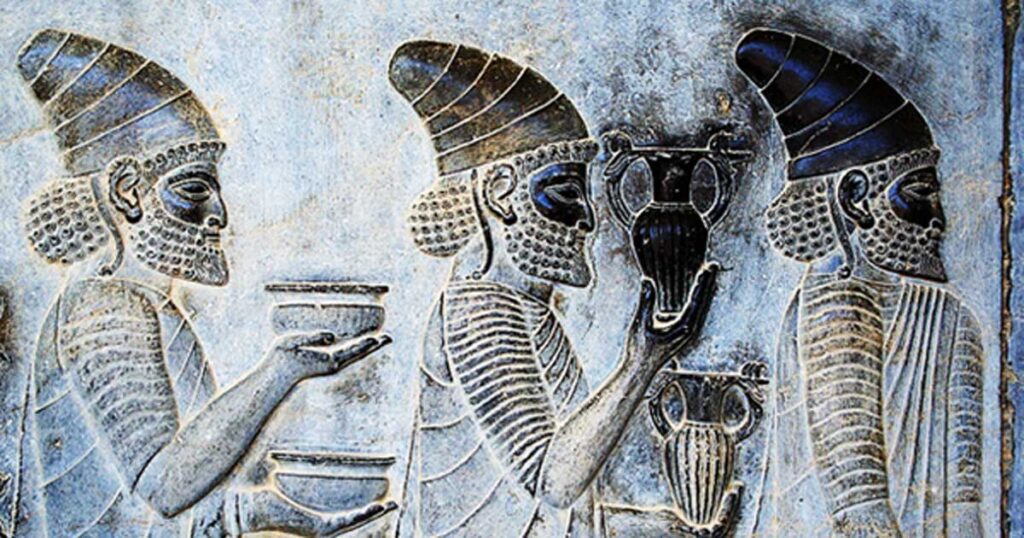
This is a profound clue about ancient Iranian culture: wine was not incidental. It was crafted.
The Iranian plateau offered remarkable conditions for viticulture. Mountain slopes, seasonal rivers, fertile valleys, and varied elevations created environments where vines could flourish. Over centuries, grape cultivation spread widely, becoming part of agricultural life across many regions of ancient Iran.
With the rise of the Achaemenid Empire in the sixth century BCE, Persian civilization transformed viticulture into something grander. This was an empire stretching from the Indus Valley to the Mediterranean, connecting climates, crops, and traditions on an unprecedented scale. Royal courts were famous for ceremonial feasts of extraordinary sophistication, where abundance itself was political language, a demonstration that the king ruled over a fertile and ordered world.
Wine naturally held an honored place within this culture of ceremony. Palace economies recorded agricultural goods, provisions, and tribute flowing through imperial systems, and wine formed part of this broader economy of cultivation and luxury. Persian banquets, described by Greek observers with admiration and occasional astonishment, were theatrical spaces of etiquette, generosity, diplomacy, and spectacle. In these gatherings, wine was not simply consumed—it was presented as part of royal magnificence.
Yet in Iran, wine also acquired something richer: symbolic depth.
Persian culture has long possessed a profound sensitivity to gardens, fragrance, shade, flowing water, and cultivated beauty. The ordered Persian garden was more than landscape architecture; it was a vision of paradise made earthly. Within these gardens, vines climbed pergolas and terraces, their fruit woven into the sensual world of scent, taste, and seasonal abundance. Wine emerged naturally from this cultivated aesthetic—a refined expression of nature transformed by human care.
Ancient Iranian myth also placed wine within sacred imagination. Persian tradition associates the legendary king Jamshid with the discovery of wine, a story preserved in later literature and folklore. In one well-known version, grapes stored in jars began to ferment. At first thought spoiled, the transformed juice was later discovered to possess intoxicating and pleasurable qualities. What was feared became cherished. Myth here captures something universal: fermentation as mystery, discovery as revelation.
In Persia (Iran), wine became more than drink. It became part of civilization’s language of beauty, kingship, cultivation, and wonder.
Shiraz and the Poetry of Wine
Among all the names associated with wine in Iranian history, none carries greater romance than Shiraz.
Set in the fertile province of Fars, Shiraz became famous for its gardens, learning, poetry, and vineyards. For centuries, it was known across the Persian world as a city of cultivated pleasures, a place where architecture, horticulture, literature, and refined living met in extraordinary harmony.
Historical accounts describe Shiraz as a center of viticulture whose wines were admired for their quality and elegance. Before modern prohibitions transformed Iranian wine culture, Shiraz stood among the great wine cities of the East, its vineyards producing wines celebrated in regional memory and literary imagination.
Yet Shiraz’s greatest legacy may be cultural rather than agricultural.
This is the city of Hafez, whose poetry turned wine into one of Persian literature’s most luminous symbols. In Persian verse, wine became many things at once: earthly pleasure, rebellion against hypocrisy, ecstatic love, mystical union, spiritual awakening, and joyful surrender to beauty. The cup became metaphor; intoxication became revelation.
Even when understood symbolically, the imagery remained rooted in a living wine culture, a world where vineyards were real, cups were raised, and wine occupied social and artistic life.
There is poetic justice in the fact that the word Shiraz later traveled globally as a name associated with one of the world’s most beloved red wines, even though the modern Shiraz or Syrah grape is genetically traced to France’s Rhône Valley rather than Iran. Historical connection and botanical lineage are not the same thing. Yet names endure because memory endures. Shiraz became synonymous with wine not because of genetics, but because of centuries of cultural prestige.
In the history of wine, Shiraz stands where agriculture becomes poetry.
Egypt: Wine for Kings and Eternity
If Mesopotamia gave wine urban prestige and Persia gave it symbolic refinement, ancient Egypt gave wine immortality.
Along the Nile, civilization was shaped by rhythm, annual floods, agricultural cycles, celestial order, and elaborate rituals connecting life, death, and rebirth. In this sacred landscape, wine occupied a distinctive place.
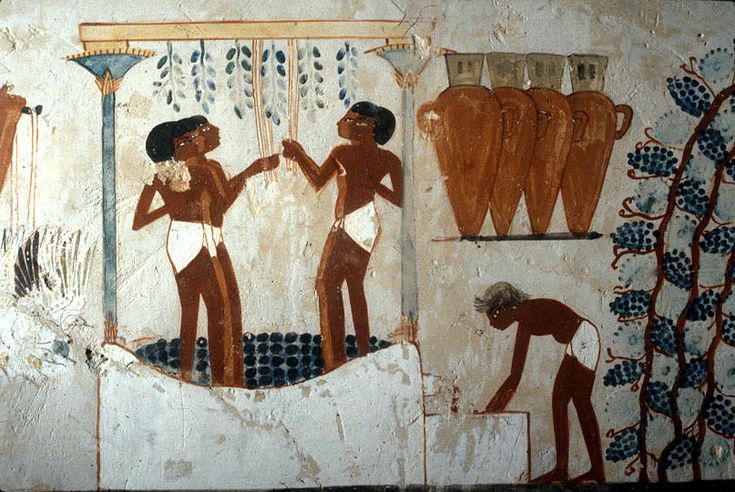
Viticulture was established in Egypt by the early dynastic and Old Kingdom periods, likely aided by agricultural knowledge and plant exchange across the Near East. Vineyards flourished particularly in the Nile Delta and in carefully managed fertile regions where irrigation could sustain cultivation. Tomb paintings show scenes of grape harvesting, pressing, fermentation, and storage, offering vivid visual testimony to a sophisticated wine industry.
Egyptian winemaking was highly organized. Grapes were harvested by hand, pressed, sometimes by foot in communal vats, and the juice stored in jars sealed for preservation. Amphorae were often inscribed with information about vintage, vineyard estate, quality, and ownership, making ancient Egypt one of the earliest cultures known to label wine systematically. In these inscriptions, we glimpse not only commerce, but an early awareness of provenance and quality, the distant ancestor of modern wine labels.
Wine in Egypt was closely associated with wealth, ceremony, and sacred life. Beer remained the drink of the many, but wine was strongly linked to elites, priesthood, and royal households. It was served at feasts, offered in temples, and placed in tombs as provision for the journey beyond death.
This funerary role reveals something deeply Egyptian. To the Egyptians, death was not annihilation but passage. The dead required nourishment, comfort, and symbols of earthly abundance in the afterlife. Wine accompanied them as both luxury and sacred sustenance—a drink worthy of eternity.
Some scholars also note wine’s association with blood symbolism, vitality, and divine transformation in Egyptian religious thought. Like fermentation itself, death and rebirth were understood as mysterious transitions rather than endings. Wine, transformed from fruit into something richer and enduring, may have naturally resonated within this spiritual worldview.
In Egypt, wine became more than agricultural product or social luxury. It became part of humanity’s oldest meditation on permanence, beauty, and life beyond death.
By the time wine reached the symposiums of Greece and the banquet halls of Rome, it was already ancient, shaped by millennia of cultivation, ritual, trade, and imagination in the lands of the Caucasus, Mesopotamia, Iran, and Egypt. The cup passed westward, but its deepest roots remained in the old soils of the East, where humanity first learned that from fruit, earth, and patience, something timeless could be made.
Greece: Wine, Thought, and the Art of Living
When wine entered the world of ancient Ancient Greece, it found a civilization uniquely inclined to transform daily practices into philosophy, ritual, and art. If earlier cultures had woven wine into kingship, sacred ceremony, and agricultural abundance, the Greeks made wine inseparable from reflection itself. They elevated drinking into a social institution, a cultural performance, and, at its best, a means of examining life.
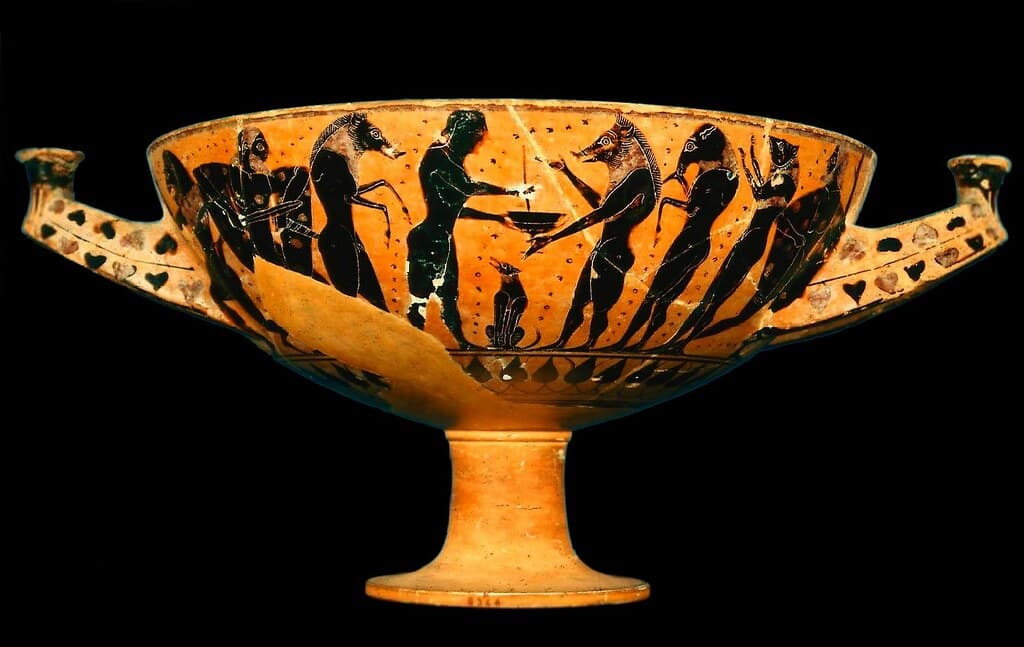
The most enduring expression of Greek wine culture was the symposium, a gathering that was far more than a banquet. It was a carefully structured evening of conversation, music, poetry, and debate, where wine served as both companion and catalyst. Participants reclined together, cups in hand, speaking of politics, beauty, love, ethics, and the nature of existence. The act of drinking was moderated by custom; wine was commonly diluted with water, not merely for taste but as an expression of balance, civility, and restraint. To drink without measure was considered uncultivated. To drink well was to participate in culture.
This Greek ideal of moderation is one of wine’s most significant historical inheritances. Wine was embraced, celebrated, even sanctified—but rarely understood as something valuable simply because it intoxicated. Rather, its importance lay in how it opened conversation, softened boundaries, encouraged reflection, and deepened communal bonds. It was a drink that belonged to both pleasure and wisdom.
Religion reinforced this intimacy. The god Dionysus embodied wine’s paradoxical nature: joy and madness, ecstasy and danger, liberation and dissolution. Through Dionysian festivals, wine became associated with theater, music, ecstatic dance, and the temporary breaking of social boundaries. Yet beneath these expressions was something profound: wine represented transformation. Just as grapes became something radically new through fermentation, human consciousness too could be altered—expanded toward beauty, revelation, or excess.
Greek colonization also carried viticulture widely across the Mediterranean. Vineyards flourished in southern Italy, Sicily, the Aegean islands, and coastal settlements far from the Greek mainland. Knowledge of pruning, cultivation, storage, and regional character spread with traders and settlers. The Greeks developed a keen awareness that geography shaped taste—that soils, climate, elevation, and local practice gave wines distinctive qualities. In this sense, the earliest foundations of terroir were already taking shape.
Wine in Greece became not simply an agricultural product, but a companion to philosophy, drama, and the cultivated life. It belonged equally to harvest and to thought, to the vineyard and to the spoken word.
Rome and the Empire of the Vine
If Greece gave wine philosophy, Ancient Rome gave it empire.
No civilization before Rome expanded viticulture on such a scale, or integrated wine so deeply into everyday life across such a vast geography. Under Roman influence, vineyards spread across much of Europe, shaping landscapes that remain among the world’s most celebrated wine regions today. From Gaul to Hispania, from the Rhine frontier to the hills of Italy, the Roman vine followed roads, armies, merchants, and settlers, taking root wherever climate and soil allowed.
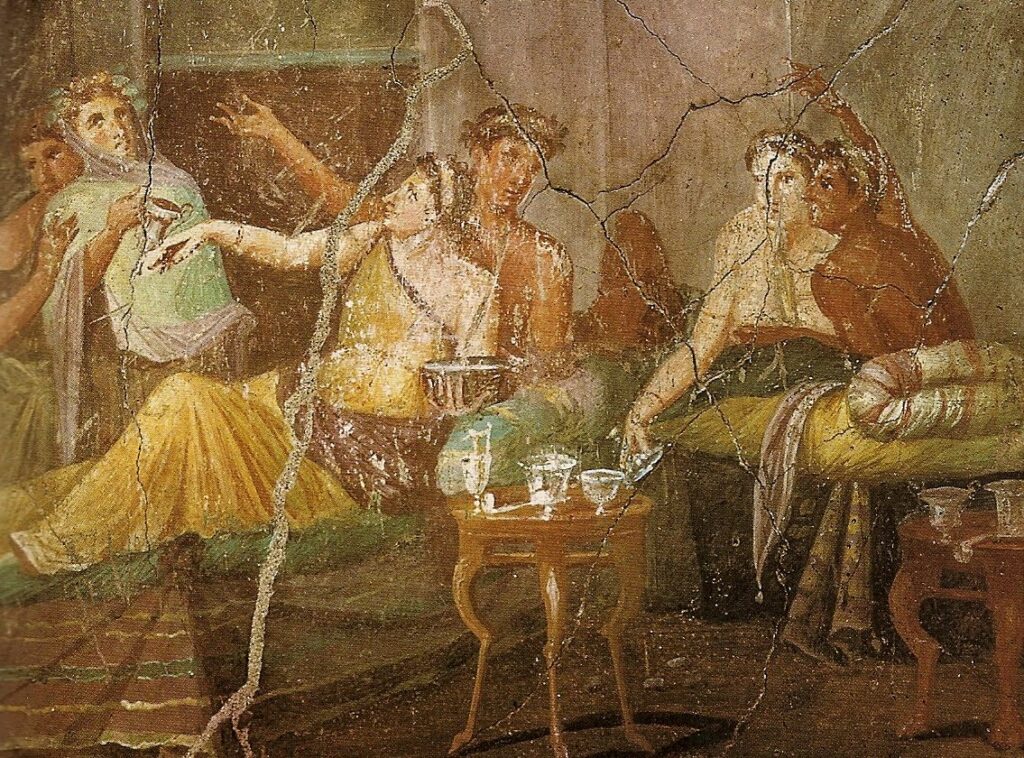
For Rome, wine was universal. It was consumed by aristocrats and laborers, senators and soldiers, merchants and farmers. While quality varied enormously—from refined aged wines reserved for elites to simple table wine diluted for ordinary households—wine itself became a staple of Roman life. It was safer than uncertain water supplies in some urban settings, nutritious in modest quantities, and woven into both domestic meals and public festivals.
Roman agriculture approached viticulture with remarkable seriousness. Writers such as Cato the Elder, Varro, and Columella produced detailed texts on vineyard management, pruning methods, soil conditions, harvest timing, and storage. Their works reveal a civilization not merely producing wine, but studying it systematically. Roman vintners experimented with aging, blending, flavoring, and preservation, seeking both consistency and distinction.
Trade transformed wine into one of antiquity’s great commercial products. Amphorae carrying Roman wine crossed seas and rivers throughout the empire, stamped with marks identifying origin and producer. Archaeological finds—from shipwreck cargoes to broken amphora mounds—show the immense scale of this trade. Wine was not only consumed; it was moved, taxed, regulated, and monetized. It became one of empire’s liquid commodities.
Rome also changed how wine shaped landscape. Vast estates cultivated vines commercially, often on a scale unknown in earlier centuries. Terraces carved hillsides, roads linked vineyards to ports, and regional reputations began to emerge with greater clarity. Many of Europe’s great wine zones—parts of modern France, Spain, Germany, and beyond—owe part of their viticultural lineage to Roman expansion.
By Rome’s height, wine was no longer simply a regional inheritance from older civilizations. It had become global by ancient standards—a vast cultural and economic force moving across continents.
Wine in the Medieval World: Preservation, Transformation, and Symbol
When Rome’s political order fractured, much of Europe entered centuries of instability. Trade routes narrowed, cities contracted, and imperial systems of production declined. Yet wine endured.
It endured because by then it was far more than commerce. It had become sacred, agricultural, medicinal, poetic, and deeply woven into everyday life across many cultures. Its survival through the medieval centuries is one of continuity’s quiet triumphs—the persistence of cultivated knowledge through eras of upheaval.
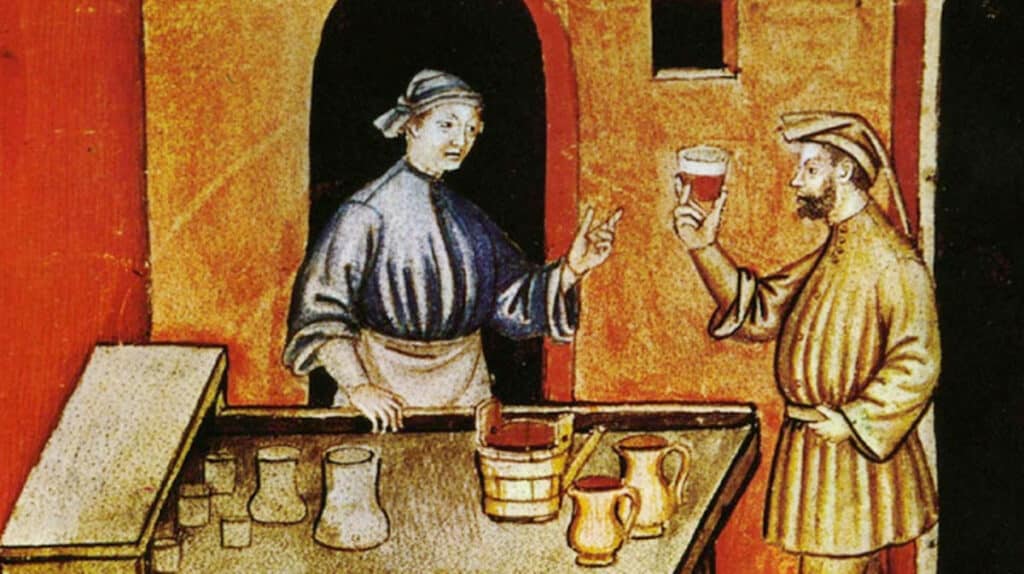
In Christian Europe, wine assumed central spiritual significance through the Eucharist, where it symbolized the blood of Christ. This sacramental role ensured that vineyards remained essential to religious life. Monasteries became guardians of viticultural knowledge, preserving vines, refining cultivation, and carefully observing how soil, climate, and slope shaped character. Monastic communities in regions that now include France, Germany, and Italy helped sustain and improve winemaking traditions during centuries when much classical knowledge might otherwise have been lost.
These monastic vineyards were often cultivated with extraordinary discipline. Careful record-keeping, close observation of harvest quality, and generations of accumulated experience deepened understanding of place. In many ways, medieval monastic viticulture laid foundations for the refined regional wine cultures that later flourished in Europe.
Yet the medieval story of wine was not only European
Across the Islamic world, where religious law prohibited intoxicants, wine retained a complex cultural life. Its production diminished in some places and persisted quietly in others. More importantly, wine survived powerfully as symbol, especially in Persian literature and mystical thought. In the poetry of Hafez, Omar Khayyam, and Rumi, wine became language for longing, transcendence, rebellion, joy, and divine union. The cup, the tavern, the intoxicated lover, these images entered Persian literary imagination not merely as metaphors, but as symbols rich with philosophical and spiritual depth.
Wine’s medieval transformation is striking. It became both more earthly and more transcendent—carefully cultivated in monastery fields while simultaneously poured into poetry as metaphor for awakening itself.
Modern Wine: Science, Crisis, and Global Renaissance
The modern age transformed wine more radically than any era since its discovery.
Advances in glassmaking and cork production gradually changed storage, aging, and transport. Bottles allowed wine to mature more reliably over time, preserving nuance and encouraging vintners to think not only of harvest, but of longevity. Wine became something capable of evolving in silence, deepening in darkness, gaining complexity through patience.
Then science entered the cellar
In the nineteenth century, the work of Louis Pasteur fundamentally changed humanity’s understanding of fermentation. Wine was no longer mysterious transformation alone; it was biological process. Yeast converted sugar into alcohol. Spoilage had causes that could be studied. Temperature, sanitation, oxygen exposure, and microbial control could be managed with precision. Centuries of craft gained scientific clarity.
But modern wine was forged equally by catastrophe
In the late nineteenth century, phylloxera, a tiny root-feeding aphid accidentally introduced from North America, devastated European vineyards. Vast regions were destroyed. Ancient vines died by the millions. Entire wine economies faced collapse. It was one of agriculture’s greatest disasters.
The solution, ingenious and humbling, came through grafting European grapevines onto resistant American rootstocks. This marriage preserved beloved grape varieties while protecting them from the pest. Modern viticulture was reborn through adaptation—a reminder that wine’s survival has always depended on resilience as much as tradition.
The twentieth and twenty-first centuries then expanded wine beyond its historic centers. Great wine regions flourished in United States, Chile, Argentina, Australia, South Africa, and New Zealand. Innovation accelerated. Stainless steel fermentation tanks, temperature control, precision irrigation, clonal research, and satellite-guided vineyard monitoring reshaped the craft.
At the same time, a countercurrent emerged: natural wine, organic viticulture, biodynamics, and renewed respect for ancestral methods such as Georgian qvevri fermentation. In seeking the future, wine also began rediscovering its beginnings.
Today wine stands at another threshold. Climate change is shifting harvests, altering regional identities, and challenging ancient vineyard zones. Artificial intelligence, sustainable farming, drought-resistant rootstocks, and ecological stewardship now shape viticulture’s future. Once again, wine is adapting to a changing world.
Why Wine Endures
Few human creations carry such a long memory.
Wine has outlived kingdoms, religions, empires, and revolutions. It has traveled from Neolithic clay jars buried in the earth to the tables of emperors, from monastery cellars to modern urban bars, from sacred ritual to scientific refinement. Yet beneath all its transformations, something ancient remains unchanged.
Wine still asks for patience.
It still depends on weather no human fully commands, on soil formed over geological ages, on seasons that cannot be hurried, on care that rewards humility more than force. It is agriculture touched by art, chemistry shaped by culture, nature refined by memory.
Perhaps that is why wine has always meant more than intoxication. In every civilization that embraced it, wine became language, for celebration, mourning, love, hospitality, spirituality, beauty, and belonging. It became a way of marking time itself: harvest after harvest, vintage after vintage, generation after generation.
And in every glass, however modern, there lingers an ancient inheritance: the first wild vines of the Caucasus, the palace stores of Mesopotamia, the cultivated gardens of Persia, the tomb offerings of Egypt, the symposiums of Greece, the vineyards of Rome, and the patient hands of countless growers across millennia.
Wine is, perhaps more than any other drink humanity has made, civilization in liquid form.
It is history you can taste in Tallinn at Heldeke bottle shop.


