


Running an independent cultural venue like Heldeke! requires passion, but scaling that energy up to drive a citywide festival takes immense dedication. In an insightful conversation originally published on Tunitemusic, Heldeke!’s own Dan le Man pulled back the curtain on what it takes to keep the Tallinn Fringe Festival alive. From utilizing the operational capacity of Heldeke! to navigating the rigid, often misunderstood funding structures of the Estonian cultural landscape, Dan opened up about the logistical and financial realities of sustaining independent theatre, comedy, and cabaret.
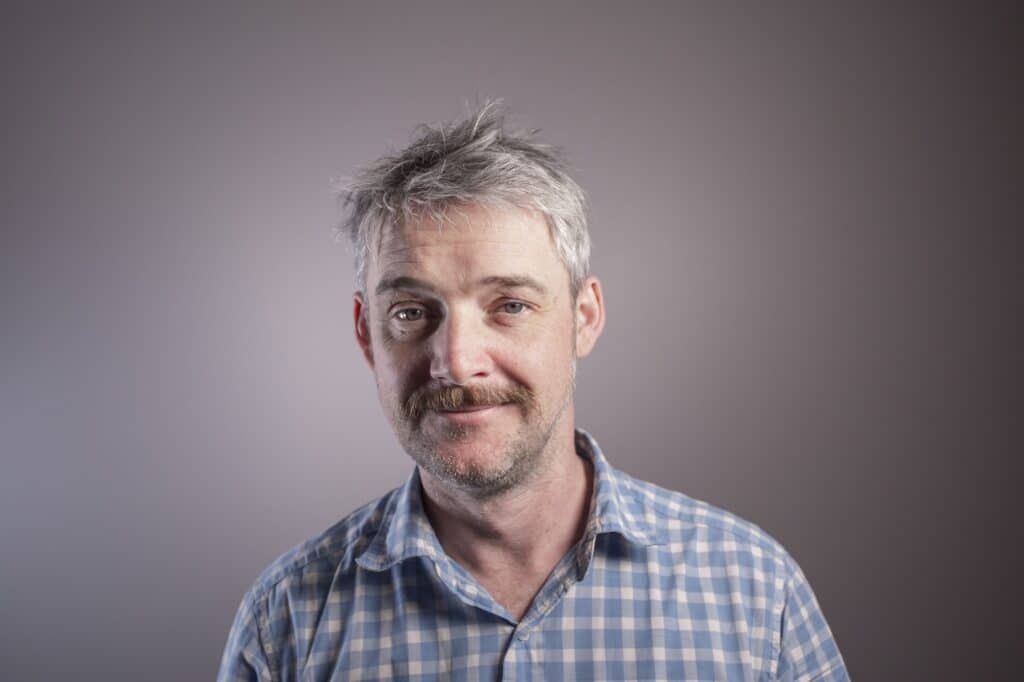
Below is an excerpt of the conversation focusing on the infrastructure and survival of the festival.
Arashk: People often think ‘open-access’ means there is no quality control at all. Can you explain how curation actually works within the Fringe ecosystem through the venues and producers?
Dan: One thing to remember is that even though the festival as a whole is not curated, each venue has its own curation. If someone has no idea what they are doing, finding a venue and inviting an audience is practically impossible. In other words, Fringe is curated at a different level. Instead of one person or one team, there are many different teams (venues and producers) who curate. This gives a much broader opportunity to the artists, and a much broader spectrum of shows and events to the audience.
Arashk: Where do you get the money to run a month-long festival citywide? Do you have funding or support from inside or outside?
Dan: Tallinn Fringe is funded primarily through my own personal resources, money earned from my performance and hosting businesses, my time, and the operational capacity of my venue, Heldeke!. I personally have not been paid by Fringe in 10 years. We don’t receive any guaranteed ground public funding yet. We apply for it specifically for each edition. Our goal is to get secured ground funding for 5 years so we can focus resources on executing the festival that has now grown to a size that it can no longer be administered by volunteers. It’s also now too big for me to be able to financially secure it.
Arashk: What are you doing to help cultural funding bodies in Estonia recognise your worth to the arts and culture scene?
Dan: This has been the bulk of the work over the last 10 years. The structures need re-working, which takes lots of time, as often there just isn’t a way for us to apply for support because the programs don’t cater to a Fringe open access model. I’m very happy that this year we’re taking a delegation of Estonian cultural stakeholders over to Edinburgh Fringe for 2 days, to see and meet with the people that run the world’s largest arts festival and learn from the ecosystem that supports that to happen each year.


